
 English
 中文简体
中文简体
 Español






No. 116, Building 7, Boutique Commercial Area, Shengze Town, Wujiang District, Suzhou City, China.
Introduction
In the modern textile industry, polyester pongee fabric has gradually become a star material sought after by many brands and manufacturers. It combines lightweight, flexibility, durability, and stability, continuously expanding its influence in apparel, home textiles, and functional materials. This fabric boasts high technological maturity, versatility in various applications, and a reasonable cost structure, making it popular not only with consumers but also with outstanding comprehensive advantages in manufacturing. As the market's pursuit of lightweight, durability, and comfortable feel continues to increase, the status of polyester pongee fabric is becoming increasingly important.
Performance Characteristics Brought by the High-Density, Lightweight Weave Structure
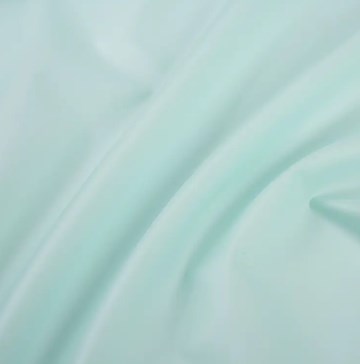
Polyester pongee fabric employs a specific weave structure, resulting in a smooth and delicate surface, with tightly packed fibers while maintaining excellent breathability. The inherent polyester properties of the material give it stable and durable physical properties; the fabric is soft to the touch yet resilient, maintaining good shape and drape during dynamic use. Its chemical structure gives it a certain degree of adaptability to external forces, friction, and environmental factors. Moisture can naturally slide off the fabric surface, and common stains do not easily penetrate the fiber interior. These characteristics contribute to its stable durability in practical applications.
Advances in Finishing Technology
With advancements in fabric finishing technology, the surface treatment processes for polyester pongee fabric are constantly evolving, resulting in a smoother hand feel, a more uniform sheen, and a more stable structural performance. The fabric maintains its lightness while enhancing its strength, allowing it to retain its style and texture even after prolonged use or in complex environments.
Wide Applicability Across Diverse Applications
Due to its lightweight, abrasion-resistant, and stable properties, polyester pongee fabric's applications in the apparel industry continue to expand. The fabric's drape allows it to perform well in various styles of outerwear, lightweight protective clothing, and urban casual wear, satisfying both aesthetic needs and durability. The inherent structural stability of the fiber ensures that the fabric maintains good shape and color performance under different processing methods. After dyeing and finishing, the color is rich and uniform, maintaining visual quality for a long time.
Home and Decor Applications
In home and decor products, the lightweight, durable, and tactile advantages of polyester pongee fabric are also attracting attention. As the trend towards lightweighting sweeps the home furnishing market, many brands prefer fabrics that combine durability and ease of care to enhance the daily user experience. This type of fabric is highly adaptable in both creating spatial ambiance and meeting functional needs.
Extension into Outdoor and Professional Fields
With the development of related functional finishing technologies, polyester pongee fabric is also gradually extending into outdoor and professional fields. Its stable material structure, controllable weight, and ease of forming a protective film on the surface give it greater application potential in specific environments. The combination of its lightweight and portable characteristics with structural stability gives it a significant advantage in scenarios requiring high flexibility.
Manufacturing Advantages Drive Stable Supply Chain Development
From a production perspective, polyester pongee fabric boasts a highly mature manufacturing process. Stable process standards have been established in each stage, including spinning, weaving, and dyeing, resulting in overall production efficiency at a relatively high level in the industry. The uniformity of the fabric structure ensures high stability in mass production, which not only improves the yield rate at the manufacturing end but also reduces uncertainties in the supply chain. The cost structure advantage makes it more cost-effective in the market, balancing appearance, feel, and durability to meet brands' dual requirements for quality and cost. With increasing diversified demands, manufacturers are continuously innovating in processes, constantly improving the functionality and aesthetics of this fabric, thereby further expanding its market reach.
The Future Potential of Polyester Pongee Fabric
With the consumer market increasingly emphasizing experience and functionality, the market potential of polyester pongee fabric continues to expand. Its lightweight, delicate texture, ease of care, and flexible styling features have extended its applications from traditional uses to emerging fields. As green production and sustainable development become key industry issues, this type of material is also being optimized for environmental protection, achieving lower energy consumption and higher durability through improvements in fiber sources and processes.
Beyond Basic Properties
The future of polyester pongee fabric will not only focus on its basic lightweight and abrasion-resistant properties, but will also continue to expand in terms of texture, feel, environmental friendliness, and functionality, empowering more industrial scenarios while maintaining a high degree of alignment with design trends. As consumer preferences continue to evolve, fabrics that can strike a balance between stability and innovation will become an industry focus, and polyester pongee fabric is undoubtedly in a highly promising position in this trend.
Closing
The comparison between polyester pongee fabric and other lightweight fabrics is rooted in its specific weave structure, material chemistry, finishing options, and manufacturing maturity. These combined factors contribute to a distinctive profile that blends practicality with aesthetic versatility, positioning it well for both current demands and future developments in the textile industry.


