
 English
 中文简体
中文简体
 Español






No. 116, Building 7, Boutique Commercial Area, Shengze Town, Wujiang District, Suzhou City, China.
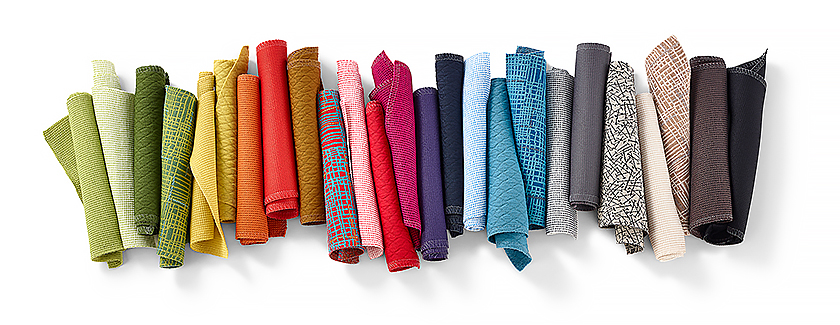
Eco-friendly fabrics are the fundamental solution to the environmental devastation caused by the traditional textile industry. By utilizing renewable resources, minimizing chemical usage, and adopting closed-loop manufacturing processes, these sustainable materials drastically reduce water consumption, pollution, and carbon emissions. Transitioning to eco-friendly fabrics is no longer just a niche trend but an absolute necessity for preserving our planet's ecological balance. They provide a tangible, practical pathway for both consumers and manufacturers to reduce their ecological footprint while maintaining high standards of quality, durability, and comfort in everyday textiles.
Environmental Impact of Conventional Textiles
The conventional textile industry is one of the largest polluters globally. Understanding the severity of its environmental impact clarifies why the shift toward eco-friendly fabric is imperative. The reliance on synthetic, petroleum-based fibers and resource-heavy natural crops has created an ecological crisis that affects water, air, and soil systems worldwide.
Water Consumption and Pollution
Traditional fabric production is notoriously thirsty. For instance, conventional cotton requires immense volumes of freshwater to grow, often depleting local water sources in arid regions. Beyond consumption, the dyeing and treatment of conventional fabrics release vast amounts of untreated toxic wastewater into rivers and oceans. This wastewater is laden with heavy metals and synthetic chemicals, destroying aquatic ecosystems and contaminating drinking water supplies for local communities.
Microplastic Crisis from Synthetic Fibers
Every time a garment made from conventional synthetic fabric is washed, it sheds microscopic plastic fibers. These microplastics easily bypass wastewater treatment plants and eventually flow into the ocean. Once in the marine environment, they absorb toxic pollutants and are ingested by marine life, eventually making their way up the food chain to humans. A single wash of a synthetic garment can release hundreds of thousands of microplastic fibers, making synthetic textiles a major contributor to global microplastic pollution.
Soil Degradation and Chemical Reliance
The cultivation of conventional natural fibers heavily depends on synthetic pesticides and fertilizers. These chemicals degrade soil health over time, stripping the land of its natural nutrients and biodiversity. The monoculture farming practices commonly used for conventional cotton exhaust the soil, requiring even more chemical inputs to maintain yields, thereby creating a vicious cycle of agricultural dependency and environmental decline.
Defining Characteristics of Eco-Friendly Fabric
Not all natural fabrics are inherently eco-friendly, and not all synthetic fabrics are entirely detrimental. The eco-friendliness of a fabric is determined by its entire lifecycle, from raw material cultivation to end-of-life disposal. A genuinely sustainable textile must meet specific environmental and ethical criteria throughout its supply chain.
Sustainable Sourcing and Cultivation
Eco-friendly fabrics begin with responsible sourcing. This means utilizing raw materials that are rapidly renewable, such as bamboo or eucalyptus, which grow quickly without the need for artificial irrigation or chemical fertilizers. It also includes utilizing agricultural byproducts or recycled materials, which prevents waste and reduces the need for virgin resource extraction. The emphasis is on working with nature rather than depleting it.
Clean Manufacturing and Processing
The transformation of raw fiber into usable fabric must minimize environmental harm. Closed-loop production systems are a hallmark of eco-friendly manufacturing, where solvents and water are continuously recycled rather than discarded. Additionally, sustainable fabrics rely on natural or low-impact dyes that do not release toxic effluents into the environment, ensuring that the manufacturing process protects both local ecosystems and factory workers' health.
Biodegradability and Circularity
A true eco-friendly fabric considers its end of life. Natural, untreated sustainable fibers will biologically decompose at the end of their useful life, returning nutrients to the soil without leaving behind microplastics or toxic residues. Furthermore, the concept of circularity is vital—fabrics designed for recyclability or compostability ensure that textiles are cycled back into the production loop rather than languishing in landfills for centuries.
Leading Types of Eco-Friendly Fabrics
The market for sustainable textiles is expanding rapidly, offering a variety of options that cater to different needs, from apparel to home furnishings. Each type of eco-friendly fabric has unique properties and environmental benefits that make it a superior alternative to conventional materials.
Organic Cotton
Unlike conventional cotton, organic cotton is grown without synthetic pesticides, insecticides, or genetically modified seeds. It relies on crop rotation and natural fertilizers to maintain soil health and conserve water. The resulting fabric is soft, breathable, and gentle on the skin, making it ideal for everyday wear, children's clothing, and bedding. Organic cotton cultivation uses significantly less water than conventional methods by relying primarily on rainwater.
Hemp
Hemp is an incredibly robust and eco-friendly crop. It grows densely, naturally suppresses weeds, and requires minimal water. Furthermore, hemp roots prevent soil erosion, and the plant actually improves soil health by returning nutrients to the earth. The fabric produced from hemp is durable, naturally resistant to mold and ultraviolet light, and becomes softer with each wash, ensuring a long lifespan for the garment.
Bamboo Lyocell
While traditional bamboo viscose can involve heavy chemical processing, Bamboo Lyocell represents a sustainable evolution. It is produced using a closed-loop system that captures and reuses almost all the water and solvents used in the manufacturing process. The resulting fabric is exceptionally silky, highly breathable, and possesses natural moisture-wicking and antibacterial properties, making it an excellent choice for activewear and luxurious bedding.
Recycled Polyester
Recycled polyester offers a practical solution to the global plastic waste crisis. By melting down existing plastic bottles and discarded textiles, manufacturers can create new fibers without extracting virgin petroleum. This process consumes substantially less energy than producing virgin polyester and helps divert plastic waste from landfills and oceans. However, it is important to note that recycled polyester still sheds microplastics, so washing it in specialized bags is recommended.
| Fabric Type | Primary Benefit | Best Application | End of Life |
|---|---|---|---|
| Organic Cotton | Chemical-free cultivation | Everyday wear, bedding | Biodegradable |
| Hemp | Soil regeneration, low water | Durable garments, denim | Biodegradable |
| Bamboo Lyocell | Closed-loop processing | Activewear, luxury bedding | Biodegradable |
| Recycled Polyester | Plastic waste reduction | Outerwear, sportswear | Recyclable |
Practical Benefits Beyond Sustainability
Choosing eco-friendly fabric is not merely an act of environmental stewardship; it also yields tangible, personal benefits for the consumer. Sustainable textiles often outperform their conventional counterparts in comfort, health advantages, and long-term economic value, making them a superior choice for everyday living.
Health and Skin Benefits
Conventional fabrics are often treated with a cocktail of chemicals, including flame retardants, formaldehyde, and synthetic dyes, which can cause skin irritation, allergies, and even long-term health issues. In contrast, eco-friendly fabrics are processed without these toxic additives. The natural breathability of organic cotton, hemp, and bamboo allows for better air circulation and moisture management, reducing the risk of skin rashes and bacterial growth. For individuals with sensitive skin or conditions like eczema, eco-friendly fabrics provide a soothing, chemical-free barrier.
Enhanced Durability and Longevity
Fast fashion relies on cheaply made fabrics that degrade quickly, encouraging a cycle of constant consumption. Eco-friendly fabrics, however, are inherently stronger and more resilient. Hemp fibers, for example, are among the strongest natural fibers on earth, and the fabric becomes softer yet more durable over time. Similarly, high-quality organic cotton retains its structural integrity far longer than conventional cotton. This extended lifespan means garments need to be replaced less frequently, ultimately saving consumers money and reducing overall textile waste.
Superior Comfort and Thermoregulation
Sustainable natural fibers offer exceptional comfort due to their inherent thermoregulating properties. They can keep the body warm in cold conditions by trapping air within the fiber structure and cool in hot conditions by wicking moisture away from the skin. Bamboo lyocell, for instance, is highly breathable and naturally cool to the touch, making it significantly more comfortable during sleep or intense physical activity compared to synthetic, heat-trapping alternatives.
How to Identify Genuine Eco-Friendly Fabrics
As the demand for sustainable products grows, so does the prevalence of greenwashing—where misleading claims are used to make a product appear more environmentally friendly than it actually is. Consumers must be vigilant and know exactly what to look for to ensure they are purchasing genuine eco-friendly fabrics.
Recognized Certifications
The most reliable way to verify a fabric's sustainability is through third-party certifications. These organizations rigorously audit the entire supply chain to ensure strict environmental and social standards are met. When shopping, look for certifications that validate the entire lifecycle of the product.
- Global Organic Textile Standard (GOTS): Ensures the organic status of textiles from harvesting of the raw materials through environmentally and socially responsible manufacturing.
- OEKO-TEX Standard 100: Certifies that every component of the article has been tested for harmful substances and is harmless to human health.
- Forest Stewardship Council (FSC): Ensures that forest products, such as wood pulp used for lyocell, are sourced from responsibly managed forests.
- Cradle to Cradle Certified: Evalues products across sustainability categories including material health, material reutilization, and renewable energy use.
Avoiding Greenwashing Traps
Be cautious of vague, unsubstantiated terms like "eco-conscious," "sustainably made," or "green," which are not regulated and often hold no real weight. Without a recognized certification to back up these claims, they are merely marketing tactics. Additionally, scrutinize the fabric blend; a garment labeled as "eco-friendly" might contain a tiny percentage of organic cotton blended with a majority of conventional synthetic fibers. Always check the fiber composition tag to ensure the entire fabric, or at least the vast majority, is sustainable.
Caring for Your Sustainable Wardrobe
The sustainability of a garment does not end at the point of purchase; how you care for it significantly impacts its overall environmental footprint. Proper maintenance extends the life of the fabric, saves energy, and prevents microplastic pollution, ensuring your eco-friendly choices remain genuinely sustainable throughout the garment's lifespan.
Washing Best Practices
Washing clothes less frequently is the simplest way to extend their life and conserve water. When washing is necessary, opt for cold water, as heating water consumes substantial energy. Use mild, eco-friendly detergents that do not contain harsh chemicals which can degrade natural fibers over time. Washing in cold water can reduce the energy used per wash by a massive margin compared to hot water cycles.
Drying and Storage
Air drying is the most eco-friendly method for drying clothes, completely eliminating the energy used by machine dryers. It also protects fibers from the high-heat damage that causes shrinking, pilling, and loss of elasticity. When storing sustainable garments, fold heavy items like hemp and organic cotton sweaters instead of hanging them, which can stretch the fabric over time. For delicate sustainable fibers like bamboo lyocell, store them away from direct sunlight to prevent natural degradation and color fading.
Repairing Over Replacing
Embracing a mindset of repair rather than disposal is fundamental to sustainable fashion. Simple sewing techniques can mend small tears, replace buttons, or reinforce seams. By repairing minor damages, you keep the garment in active use, preventing it from entering the waste stream prematurely. The durability of eco-friendly fabrics makes them excellent candidates for mending, as the base material remains strong even when a seam fails.
The Future of Eco-Friendly Textiles
The landscape of eco-friendly fabric is rapidly evolving, driven by technological innovation and a growing imperative to close the loop on textile waste. The next generation of sustainable materials goes beyond simply reducing harm; it aims to actively restore the environment and create a fully circular economy.
Bio-Fabrication and Agricultural Waste
One of the most exciting frontiers is bio-fabrication, where materials are grown from living organisms. Researchers are developing fabrics from mycelium (the root structure of mushrooms), algae, and bacterial cellulose. These materials can be grown in labs with minimal land and water, and they are fully biodegradable. Additionally, agricultural waste—such as banana stems, pineapple leaves, and citrus byproducts—is being transformed into robust, leather-like textiles, giving new life to materials that would otherwise be burned or discarded.
Closed-Loop Recycling Technologies
The ultimate goal of sustainable fashion is a closed-loop system where old garments are endlessly recycled into new fabrics without a loss in quality. Current mechanical recycling methods often degrade the fiber, but emerging chemical recycling technologies can break down old textiles to their molecular level, allowing them to be spun into brand-new, high-quality fibers. Chemical recycling promises to make textile-to-textile recycling a scalable reality, drastically reducing the need for virgin raw materials and keeping millions of tons of fabric out of landfills.


